More ground in the first hour
Search a flood or fire area with every available drone at once, whatever its make or owner.
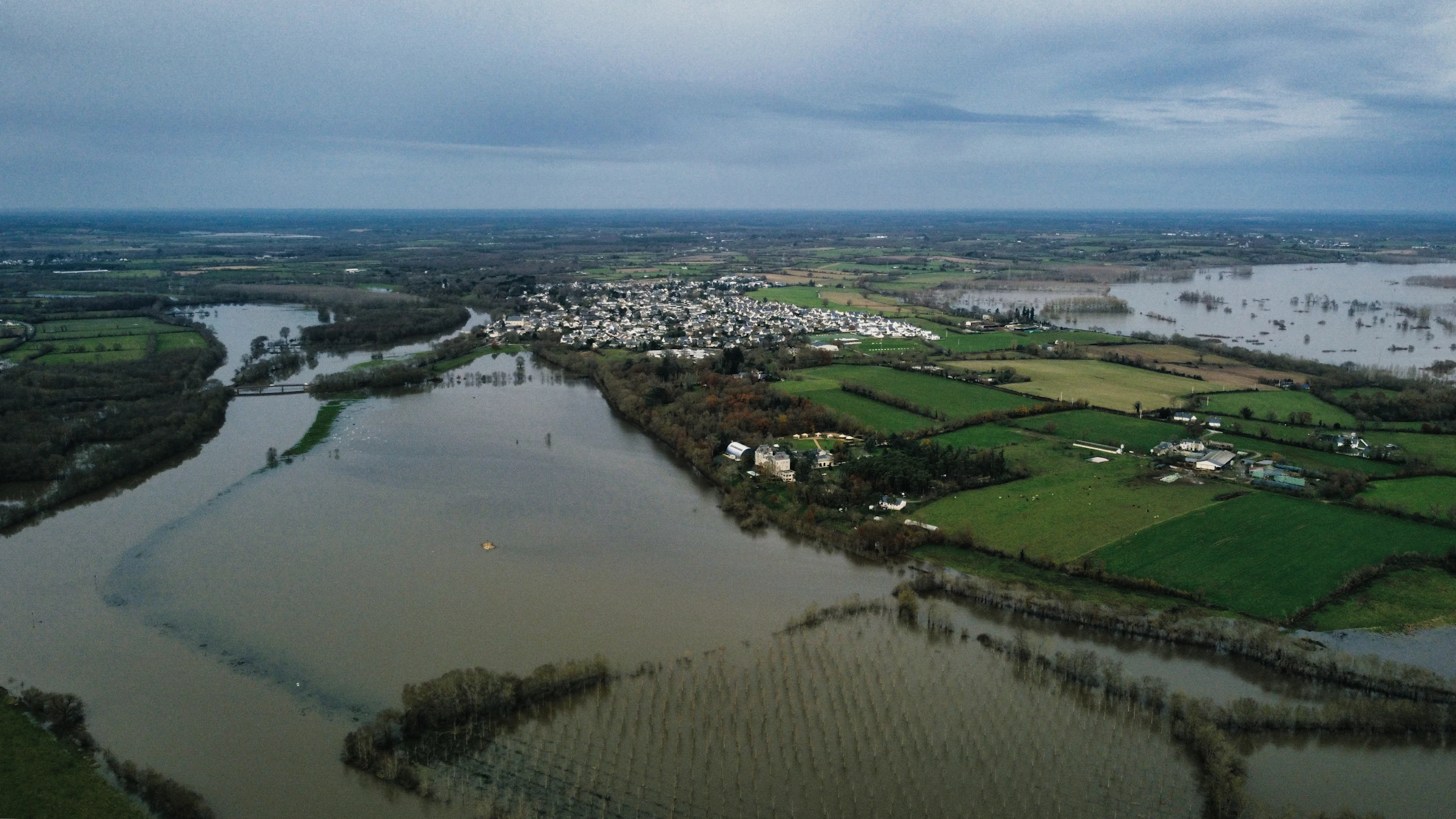
Floods, fires and missing-person searches covered by every available drone, whatever its make — and a record of what was searched, and when.
AEROE lets disaster and search teams fly every available drone as one search fleet, whatever its make, to cover more ground in the first hour. It runs search patterns, re-divides the area automatically as more drones arrive on scene, and keeps an exact record of what has been searched and when. It runs on the team's own network, with no external service needed at the scene.
Search a flood or fire area with every available drone at once, whatever its make or owner.
Run a missing-person search pattern and know exactly which ground has been searched, and when.
As more drones reach the scene they join the search, and the area is re-divided without restarting.
Drones from different agencies and makers fly as one fleet, from one console, with one record.
A search plan the fleet cannot fly safely is refused before take-off, with the reason and a fix.
Onboard drones from any maker and configure your site from the AEROE console. No configuration files, no single-vendor lock-in.
Lay out the mission on your own site map — who flies where, when, and what each drone does if something changes.
AEROE checks the plan against what each drone can really do. A plan the fleet cannot fly safely is refused, with the reason and a fix.
One operator flies the whole fleet from one console, and every flight leaves a verifiable record for your client, auditor or regulator.
Before any flight. Every AEROE operation flies only once the approvals it needs are in place: registration of each drone and certification of each remote pilot under the Drone Rules, 2021; airspace permission for the zone, altitude, date and time; and site-owner, local-authority and police permissions where the operation needs them. The approvals for a flight are kept with that flight's record.
Yes. AEROE belongs to no drone maker, so every available drone flies as one search fleet, from one console, with one record.
They join the search and AEROE re-divides the area between them, without restarting the mission.
AEROE keeps an exact record of which ground each drone searched, and when, so nothing is missed and nothing is searched twice by accident.
No. It runs on the team's own network and reaches no external service.
Floods and cyclones, wildfires, missing-person and wilderness search, industrial accidents and hazmat incidents, and search over water and coastline.
The operation flies with the approvals it needs under the Drone Rules, 2021 — registered drones, certified remote pilots and airspace permission — and the permissions of the authority in charge of the response.
Tell us the outcome you need and the fleet you have or plan to buy. We scope the mission with you, show it to you on your own site plan, and agree a pilot. AEROE is built by Noventis Pvt Ltd, Pune, India.